


Most people don’t think about brain health until memory begins to decline. But the foundations of cognitive health are built over decades, not overnight. Every meal, every night of sleep, and every lifestyle choice contributes to how well our brain functions later in life.
Research suggests that conditions such as cognitive decline, neurodegenerative diseases, and even some mood disorders are influenced by long term processes including chronic inflammation, oxidative stress, impaired energy metabolism, and changes within the gut microbiome. These changes develop gradually, which means our daily habits may also play an important role in supporting long term brain health.
Why Are Mushrooms Different?
Edible mushrooms are nutritional powerhouses containing several naturally occurring compounds that are rarely found together in other foods. Scientists have become increasingly interested in these compounds because of their unique biological activity.
Beta glucans and chitin
Mushrooms are rich in fermentable fibres including beta glucans and chitin. Once they reach the large intestine they are fermented by beneficial gut bacteria, producing short chain fatty acids. These compounds help maintain a healthy gut environment and may influence communication along the gut brain axis, an important connection between digestive and cognitive health.
Ergothioneine
One of the most fascinating compounds found in mushrooms is ergothioneine, a naturally occurring antioxidant that humans cannot produce themselves. The body actively transports and concentrates ergothioneine in tissues that experience high levels of oxidative stress including the brain, liver, and mitochondria. Researchers believe this may be one reason mushrooms have attracted growing scientific interest in healthy ageing.
Unique Mushroom Compounds
Some mushroom species also contain specialised bioactive compounds not commonly found elsewhere. Lion’s Mane contains hericenones and erinacines, while Cordyceps naturally produces cordycepin. These molecules continue to be studied for their biological properties and potential effects on the nervous system.
These compounds are not marketing inventions. They are naturally occurring molecules that scientists are actively investigating to better understand how they interact with the human body.
Lion’s Mane and Cognitive Health
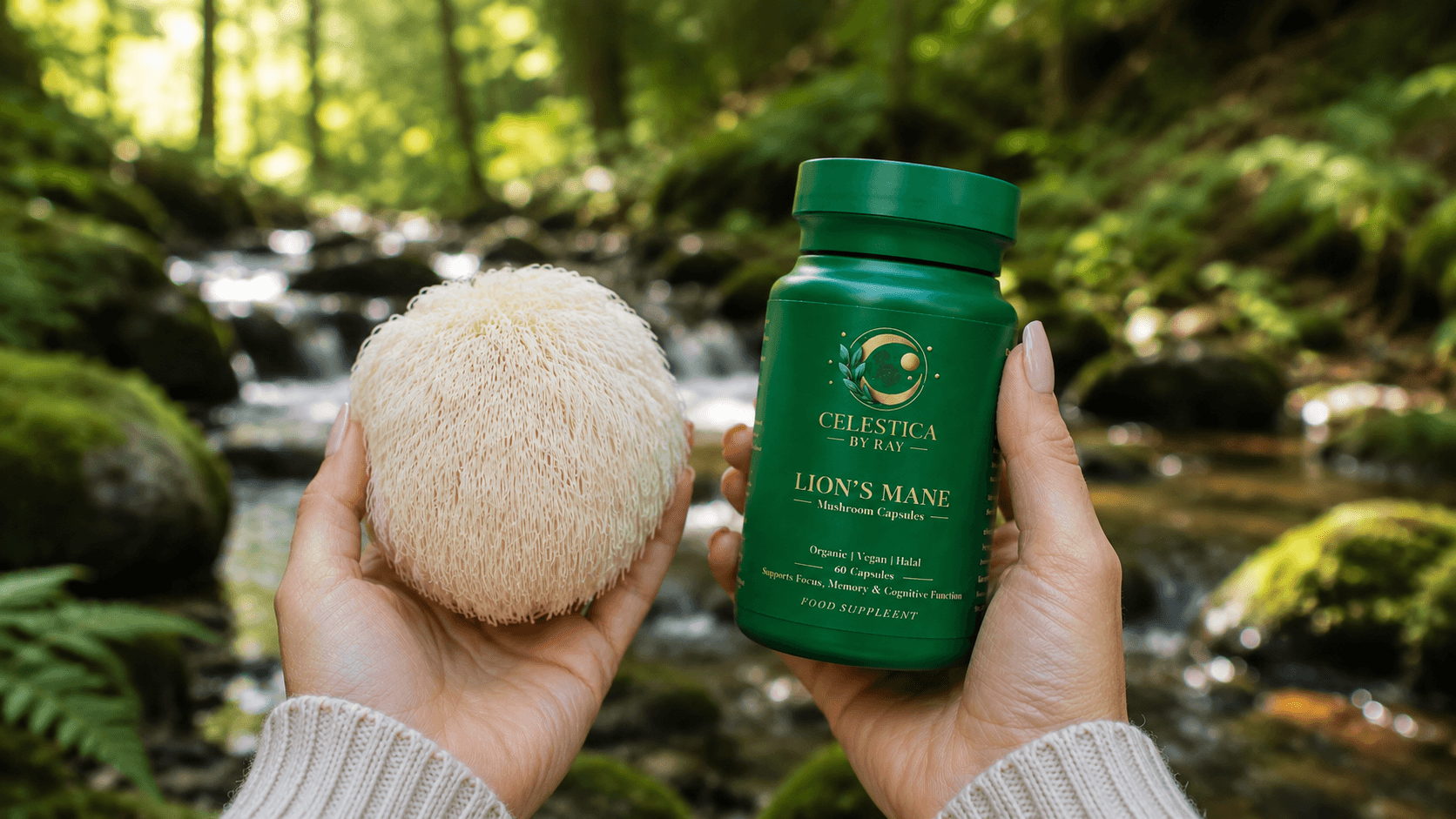
Among edible mushrooms, Lion’s Mane has received some of the strongest clinical attention for cognitive function.
In one randomized clinical study, adults with mild cognitive impairment who consumed Lion’s Mane extract for sixteen weeks demonstrated improvements in cognitive test scores compared with the beginning of the study. Interestingly, these improvements gradually declined after supplementation stopped, suggesting that any potential benefits may depend on continued use.
Another small clinical trial reported improvements in symptoms of anxiety and low mood after several weeks of Lion’s Mane supplementation.
While these findings are encouraging, the studies remain relatively small. More large, well designed clinical trials are needed before firm conclusions can be drawn. Nevertheless, the existing evidence makes Lion’s Mane one of the most extensively researched functional mushrooms available today.
It is also worth noting that different parts of the mushroom contain different compounds. Erinacines are found primarily in the mycelium, while hericenones are concentrated in the fruiting body. This is one reason why the source and manufacturing process of a mushroom supplement can matter.
Supporting Your Brain Every Day
No single food or supplement can prevent cognitive decline. However, a combination of healthy habits can support long term brain health.
- Prioritise quality sleep.
- Eat a diet rich in plant based foods and fibre.
- Stay physically active.
- Manage chronic stress.
- Include nutrient dense foods such as edible mushrooms as part of a balanced diet.
Functional mushrooms are not medicines, but they are among the most scientifically studied natural foods for healthy ageing and cognitive wellness. As research continues to evolve, they remain an exciting area of nutritional science and a valuable addition to an overall healthy lifestyle.
Your brain is built over a lifetime. Supporting it begins with the small choices you make every day.